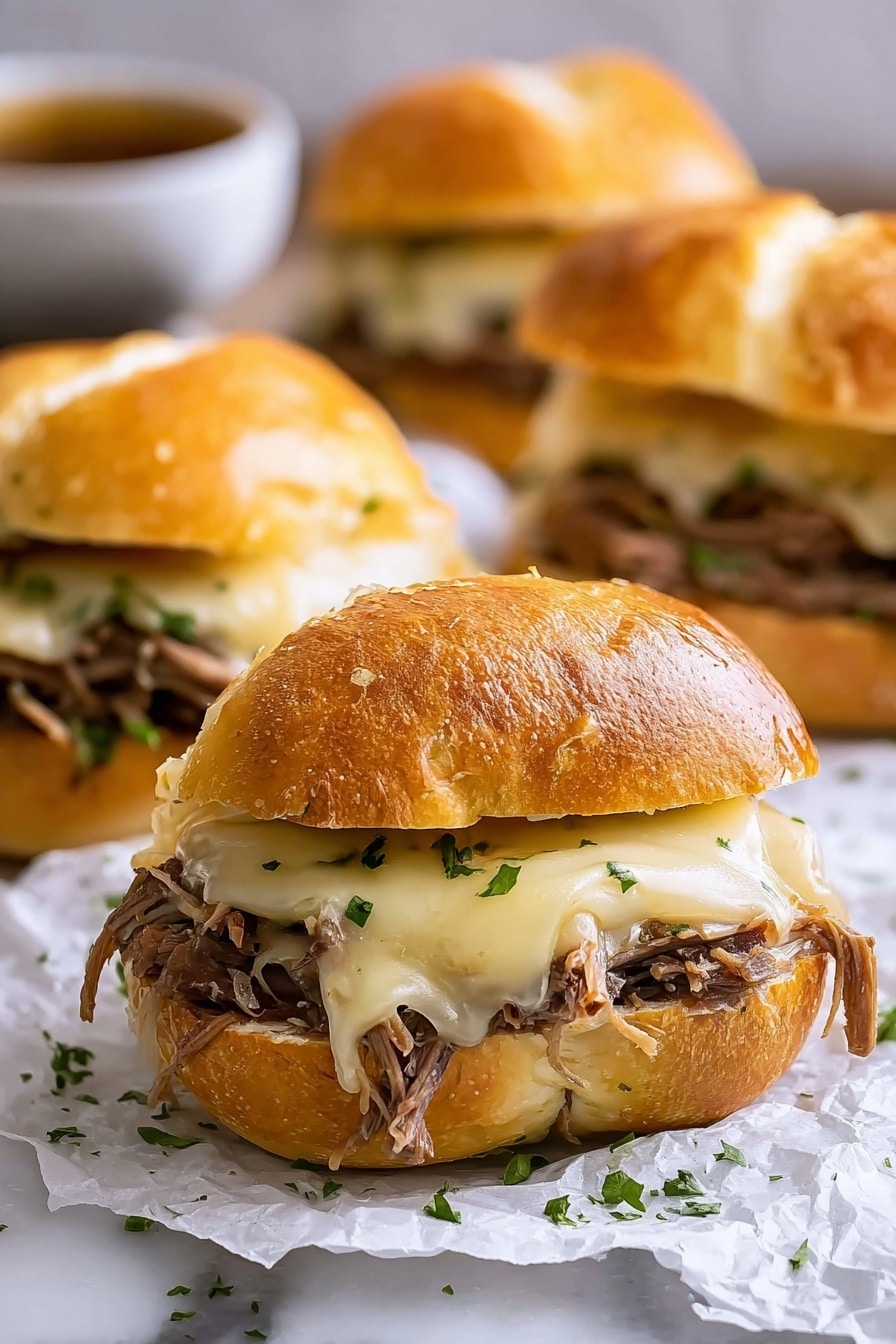
Unlock Bakery-Quality Sandwiches at Home with Effortless No-Knead Rolls
Imagine biting into a sandwich cradled by a roll that boasts a crisp, thin crust and an interior so light and airy it practically melts in your mouth. Now, imagine achieving this artisanal quality right in your own kitchen, with minimal effort and just four simple ingredients. This isn't a dream; it's the reality of mastering the giant overnight sandwich roll – a game-changer for anyone who loves exceptional bread without the fuss of traditional baking.
For too long, the thought of homemade bread, especially those crusty, airy varieties perfect for sandwiches, has intimidated many. Visions of endless kneading, precise shaping, and the need for specialized equipment often deter even enthusiastic home cooks. But what if we told you that achieving a roll akin to a high-quality baguette or ciabatta is not only possible but incredibly easy? Our focus today is on a revolutionary no-knead method, inspired by the likes of Jim Lahey's genius, that leverages time rather than strenuous effort to develop incredible flavor and texture. Whether you opt for one impressive, elongated giant overnight sandwich roll to slice and share, or a batch of individual, equally delightful vessels, prepare to elevate your sandwich game forever.
The Magic Behind No-Knead & Overnight Rolls
The secret to these truly spectacular rolls lies in a combination of simplicity and patience. This isn't just another bread recipe; it's a testament to how basic ingredients, given adequate time, can transform into something extraordinary. The foundation is a straightforward dough made from just flour, water, salt, and yeast. The "no-knead" aspect is precisely what it sounds like – no laborious kneading required. Instead, a long, slow fermentation, typically overnight, allows the gluten structure to develop naturally and thoroughly. This extended rise, often around 12 hours, is crucial. It gives the yeast ample time to work its magic, creating complex flavors and those coveted irregular air pockets that define artisan bread.
Drawing inspiration from classic techniques, this approach often involves reducing the amount of yeast and using cold water. This deliberate choice slows down the fermentation process, leading to a deeper flavor profile and a more robust gluten network. For the giant overnight sandwich roll in particular, while traditional kneading is absent, a single set of stretches and folds can prove beneficial. This gentle manipulation helps to further strengthen the gluten, enabling the dough to trap more air bubbles and contributing to that wonderfully light and airy crumb you'll come to adore. This method essentially allows time and natural enzymatic activity to do the heavy lifting, delivering results that rival professional bakeries without demanding hours of active labor. For a deeper dive into the individual rolls, check out our guide on No-Knead Overnight Sandwich Rolls: Effortless Bakery Quality.
Crafting Your Perfect Giant Overnight Sandwich Roll
While the base dough is versatile enough for both large and individual rolls, the shaping and baking methods for a truly impressive giant overnight sandwich roll have their own unique charm. Unlike shaping into a round loaf or baking in a preheated Dutch oven, the giant roll is designed for simplicity and maximum surface area for that desirable crisp crust. Once your dough has undergone its miraculous overnight transformation, you'll gently turn it out onto a lightly floured surface.
For the giant overnight sandwich roll, the goal is to stretch it into a long, rustic oval, mimicking the elegant form of a baguette but with the generous width of a ciabatta. This free-form shaping allows for that "wild and amorphous" crumb structure that is so appealing. The beauty here is that perfection isn't the goal; natural, organic shapes contribute to the rustic appeal. You'll then transfer this elongated dough directly onto an unpreheated sheet pan. Baking on an unpreheated surface allows the dough to gradually heat up, developing a consistently crisp crust while allowing the interior to fully expand and set, resulting in that light, airy crumb. This method is surprisingly forgiving and incredibly effective for achieving a roll that stands proudly as the centerpiece of any sandwich creation or even as a standalone dinner bread.
From Dough to Deliciousness: Step-by-Step Guide
The journey from humble ingredients to a magnificent giant overnight sandwich roll (or a batch of individual rolls) is remarkably straightforward. Here's a detailed breakdown of the process:
- Mixing the Dough (5 minutes max): In a large bowl, whisk together your all-purpose or bread flour, fine sea salt, and a very small amount of instant yeast. The precise ratio is key to the overnight rise. Add cold water to the dry ingredients. Use a spatula or your hands to mix until all the flour is hydrated and you have a shaggy, sticky dough ball. Avoid overmixing; a few lumps are fine.
- The Overnight Rise (12-18 hours): Cover the bowl tightly with plastic wrap or a damp kitchen towel. Let the dough rest at room temperature (ideally 68-72°F / 20-22°C) for approximately 12 to 18 hours. The longer, cooler rise develops deeper flavor. The dough should roughly double in size and be covered with small bubbles.
- Optional Stretch & Fold (for the giant roll): If making a single giant overnight sandwich roll, after about 3-4 hours into the rise, gently perform one set of stretches and folds. Lightly wet your hands, grab a portion of the dough from the edge, stretch it upwards, and fold it over to the center. Rotate the bowl and repeat 3-4 more times. This strengthens the gluten without intensive kneading.
- Shaping (Giant Roll): Gently turn the risen dough out onto a well-floured surface. Handle it as little as possible to preserve the air bubbles. Using your hands or a bench scraper, gently stretch and pat the dough into a long oval shape, roughly 12-14 inches long and 5-6 inches wide. Transfer carefully to an unpreheated baking sheet lined with parchment paper.
- Shaping (Individual Rolls): For individual rolls, turn the dough out onto a well-floured surface. Gently portion it into 4-6 equal pieces. Gently shape each portion into a rough ball, tucking the edges underneath to create tension on the surface. Transfer them to an unpreheated baking sheet lined with parchment paper, leaving space between them.
- Second Rise (Optional for individual rolls, brief for giant): For individual rolls, you can let them rest for another 30-45 minutes while your oven preheats. For the giant overnight sandwich roll, it doesn't typically require a second long rest; it's ready for the oven after shaping.
- Baking: Preheat your oven to 450°F (230°C) with the baking sheet inside as the oven heats up (or put the sheet in a cold oven and then preheat for the giant roll, as per the reference, though preheating is also common). For the individual rolls, once the oven is preheated, transfer the baking sheet with the shaped rolls into the hot oven. Bake for 20-25 minutes, or until deeply golden brown and hollow-sounding when tapped on the bottom. If making the single giant roll, bake for 25-30 minutes, or until similarly golden and crusty.
- Cooling: Transfer the rolls to a wire rack to cool completely. This is critical for developing the crisp crust and allowing the interior crumb to set properly. Resist the urge to cut into them too soon!
Serving Suggestions and Culinary Creativity
The versatility of these no-knead rolls, particularly the impressive giant overnight sandwich roll, is truly boundless. Their unique texture—a thin, crisp crust giving way to a light, wildly airy interior—makes them ideal for a multitude of culinary applications. Think beyond the ordinary sandwich and let your imagination soar.
For sandwiches, slice the giant roll horizontally and fill it with anything your heart desires. Classic deli meats and cheeses, grilled vegetables, or even a simple bruschetta topping would be divine. The reference context itself champions balsamic-roasted eggplant and arugula as a sensational pairing, and we couldn't agree more. The slightly bitter arugula and sweet-savory eggplant complement the roll's subtle flavor and texture perfectly. Consider other fillings like grilled chicken and pesto, a hearty steak and cheese, or a fresh caprese with ripe tomatoes, mozzarella, and basil.
Beyond sandwiches, these rolls shine as an accompaniment to various meals. Their "baguette meets ciabatta" character makes them an excellent choice for dipping into hearty soups, stews, or any saucy dish. Imagine sopping up the rich broth of a French onion soup or the vibrant sauce of a pasta dish with a torn piece of this crusty bread. It's also fantastic simply served with good olive oil for dipping, perhaps alongside a charcuterie board. You can even experiment with making garlic bread or cheesy bread using slices from your giant roll. The individual rolls offer similar versatility but in a more manageable single-serving size, perfect for packing lunches or serving as elegant dinner rolls. No matter how you choose to enjoy them, these easy, delicious rolls are guaranteed to elevate your meals and impress your family and friends.
Embrace the simplicity and reward of this no-knead method. With just a few minutes of active preparation and the magic of an overnight rise, you'll be baking perfect sandwiches and so much more, anytime you crave that authentic, artisan bread experience.
