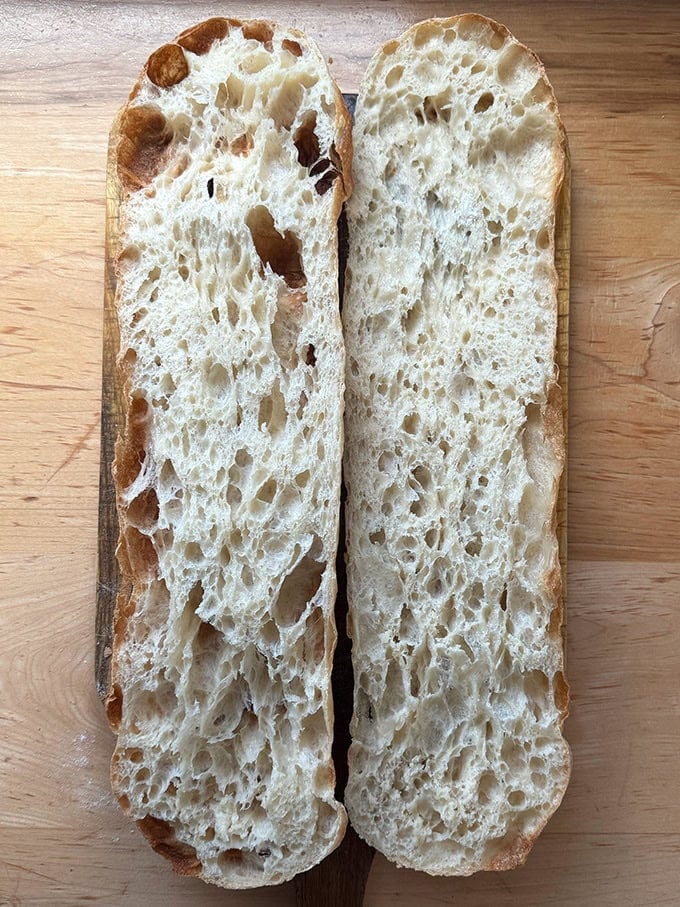
Giant Overnight Roll: Baguette & Ciabatta Without the Fuss
Imagine a bread that marries the rustic elegance of a baguette with the airy, open crumb of ciabatta, yet requires almost no effort to achieve. This isn't a baker's pipe dream; it's the reality of the
giant overnight sandwich roll. Forget complex kneading techniques, fancy equipment, or the rush to the bakery for fresh bread. This ingenious recipe delivers a truly exceptional loaf, perfect for elevating any meal, with just four simple ingredients and the magic of time. It's a game-changer for anyone craving authentic, homemade bread without the traditional fuss.
The Magic Behind the Giant Overnight Sandwich Roll: Simplicity Meets Perfection
The allure of the giant overnight sandwich roll lies in its deceptive simplicity. Inspired by revolutionary no-knead methods, this recipe streamlines the bread-making process, making it accessible to even the most novice bakers.
Deconstructing the "No-Fuss" Philosophy
At its heart, this bread is a testament to minimalist baking. It calls for just four fundamental ingredients: flour, water, salt, and yeast. That's it. No butter, no sugar, no eggs – just the pure essence of bread. The "no-knead" aspect is truly liberating; instead of dedicating strenuous minutes to developing gluten, you simply mix the ingredients until combined. This minimal intervention allows time, not muscle, to do the heavy lifting.
This approach builds on the groundbreaking work of Jim Lahey's No-Knead Bread but introduces clever adaptations tailored for a distinct outcome. While Lahey's method typically involves baking in a preheated Dutch oven to achieve a round loaf, the giant overnight sandwich roll takes a different path. It's designed to be shaped into a long oval and baked on an unpreheated sheet pan, contributing to its unique crust and flexible form factor that beautifully mimics both baguette and ciabatta characteristics. This strategic shift in shaping and baking vessel is key to achieving its signature long, airy structure and wonderfully crisp, thin crust, making it the ideal vessel for substantial sandwiches.
The Overnight Advantage: Flavor, Texture, and Ease
The "overnight" aspect isn't just a convenience; it's a critical component for developing profound flavor and an incredible texture. By drastically reducing the amount of yeast and using cold water, the dough undergoes a slow, extended fermentation, typically lasting around 12 hours. This long, cool rise allows the yeast to work at a leisurely pace, breaking down complex carbohydrates into simpler sugars, which in turn leads to a more nuanced, sophisticated flavor profile – a depth often associated with artisan bakery bread.
Beyond taste, the extended fermentation plays a pivotal role in the bread's internal structure. As the yeast slowly produces carbon dioxide, these gases get trapped within the developing gluten network, resulting in a remarkably open, airy, and "wild" crumb. While the dough is technically "no-knead," a single set of gentle stretches and folds before the final shaping can further strengthen this gluten structure. This simple action helps the dough trap even more air bubbles, leading to that characteristic light and amorphous interior that makes the giant overnight sandwich roll so delightful. This patient process truly transforms humble ingredients into a loaf with a wonderfully crisp yet thin crust and an interior that is both light and satisfyingly chewy.
Crafting Your Giant Overnight Sandwich Roll: A Step-by-Step Guide
Bringing this culinary marvel to life is surprisingly straightforward. The true beauty lies in the minimal active time required, making it perfect for busy schedules.
Ingredients: Quality Matters (Even with Four!)
While the ingredient list is short, selecting quality components can make a subtle difference:
*
Flour: All-purpose flour works beautifully, providing a tender crumb. For a slightly chewier texture reminiscent of a true baguette, you could opt for bread flour, which has a higher protein content.
*
Water: Cold tap water is ideal, helping to slow down the initial yeast activity for that crucial overnight rise.
*
Salt: Fine sea salt or kosher salt is preferred for even distribution and pure flavor. Avoid iodized table salt, which can impart a metallic taste.
*
Instant Yeast: This is key! Instant yeast can be mixed directly with the dry ingredients and doesn't require proofing, simplifying the process immensely.
Mixing and the Overnight Rest: Let Time Do the Work
The initial mixing is perhaps the quickest part of the entire process, requiring just about five minutes:
1.
Combine Dry Ingredients: In a large bowl, whisk together the flour, salt, and instant yeast until thoroughly combined.
2.
Add Water: Pour in the cold water.
3.
Mix to Combine: Using a wooden spoon or a Danish dough whisk, mix until all the flour is hydrated and you have a shaggy, sticky dough ball. Do not worry about perfection or smoothness; consistency will improve with time.
4.
Cover and Rest: Cover the bowl tightly with plastic wrap or a damp kitchen towel. Let the dough rise at cool room temperature (around 68-72°F or 20-22°C) for approximately 12 hours, or until it has noticeably increased in volume, is bubbly, and has a web-like appearance. This long, slow fermentation is where the magic happens.
Shaping the "Giant" and Baking Brilliance
Once your dough has completed its overnight transformation, it's ready for its final form and a glorious bake.
1.
Prepare Your Surface: Liberally flour a clean work surface. Gently turn the risen dough out onto it.
2.
Shaping the Giant Roll: Unlike traditional rounds, you'll want to stretch and coax the dough into a long, somewhat rustic oval shape. The key here is not to deflate it too much. Imagine you're forming a very large, flattened baguette. This extended shape is what allows it to be sliced lengthwise for incredible sandwiches.
3.
For Individual Rolls: If you prefer smaller, individual rolls, you can portion the dough into several pieces at this stage, gently shaping each into a rough ball. For more detailed guidance on making these delightful smaller versions, be sure to check out our article on
No-Knead Overnight Sandwich Rolls: Effortless Bakery Quality. After shaping, allow them a short, final rest (around 20-30 minutes) on the baking sheet before baking.
4.
Bake on an Unpreheated Sheet Pan: Transfer your shaped dough (or individual rolls) to a parchment-lined, unpreheated baking sheet. Placing the dough in a cold oven allows it to slowly heat up, giving it one last burst of rise (oven spring) before the crust sets, contributing to that airy interior and thin, crisp crust. Bake at a moderate to high temperature (e.g., 425-450°F or 220-230°C) for about 20-25 minutes, or until deeply golden brown and hollow-sounding when tapped.
Allow the baked roll to cool completely on a wire rack before slicing. This is crucial for the internal crumb to set properly and for the crust to maintain its crispness.
Beyond the Sandwich: Unleashing the Versatility of Your Giant Roll
While its name highlights its prowess for sandwiches, the versatility of the giant overnight sandwich roll extends far beyond.
The Ultimate Sandwich Canvas
This bread is quite simply the perfect canvas for almost any sandwich filling imaginable. Its crisp, thin crust provides a delightful textural contrast to the soft, airy interior, and its sturdy yet yielding structure holds up beautifully to even the juiciest fillings. Imagine slicing it lengthwise and filling it with savory roast beef and horseradish cream, a vibrant caprese with fresh mozzarella and basil, or a hearty breakfast sandwich with eggs and bacon. A particular favorite, and highly recommended, is a balsamic-roasted eggplant and arugula sandwich – the bread's slight tang and crispness perfectly complement the rich, earthy flavors. The possibilities are truly endless, transforming everyday sandwich fillings into gourmet experiences.
Dinner Table Star and More
Don't relegate this magnificent loaf solely to lunch. It shines equally bright at the dinner table. Its robust flavor and incredible texture make it an ideal accompaniment for hearty soups and stews, perfect for soaking up every last drop of a rich broth. Serve it alongside anything saucy, from pasta dishes to braised meats, and use it to mop up delicious gravies.
Beyond being a sidekick, it can take center stage in other creative ways. Think of it as the foundation for elegant bruschetta, piled high with fresh tomatoes and basil. Transform stale leftovers into phenomenal homemade croutons for salads, or slice it, brush with garlic butter, and toast for an unbelievably good garlic bread. This single recipe can become a staple in your culinary repertoire.
Tips for Success and Troubleshooting Common Baking Woes
Even with a "no-fuss" recipe, a few tips can ensure your giant overnight sandwich roll turns out perfectly every time.
Achieving the Perfect Crumb and Crust
*
Don't Rush the Rise: The overnight rise is critical. Resist the urge to shorten it. The longer, slower fermentation builds flavor and that beautiful open crumb.
*
Handle Gently: When turning the dough out and shaping, try not to deflate it too much. Gently coax it into shape rather than punching it down.
*
Steam (Optional but Recommended for Max Crispness): While the unpreheated sheet pan method works wonders, some bakers like to add a pan of hot water to the bottom of the oven during the first 10-15 minutes of baking. This creates steam, which helps the crust remain pliable longer, allowing for maximum oven spring and an even crisper crust. Remove the water pan for the remainder of the baking time.
What if My Dough is Too Sticky/Dry?
Dough hydration can be tricky, influenced by factors like ambient humidity and the specific flour used.
*
Too Sticky: If your dough feels excessively sticky and unmanageable after the overnight rise, don't panic. Dust your work surface and hands more generously with flour when handling. Resist adding too much extra flour directly into the dough during mixing, as this can make the final bread dense.
*
Too Dry: If your dough seems stiff and dry after mixing, and isn't coming together, add water a teaspoon at a time until it forms a shaggy ball. Next time, consider adding an extra tablespoon of water to the initial mix.
Why Didn't My Bread Rise?
This is a common concern for new bakers, but usually has a simple explanation:
*
Old or Inactive Yeast: Yeast is a living organism, and it can lose its potency over time. Always check the expiration date, and store yeast properly (often in the freezer after opening).
*
Room Temperature Too Cold: While this dough benefits from a cool, slow rise, an excessively cold room (below 65°F or 18°C) can significantly slow or even halt yeast activity. If your kitchen is cold, find a slightly warmer spot, like inside a turned-off oven with just the light on, to aid the rise.
*
Not Enough Time: While 12 hours is a general guideline, the exact time can vary. Watch for visual cues: the dough should be bubbly and significantly increased in volume. Be patient! For more reliable insights and tips on baking these easy rolls, our guide on
Bake Perfect Sandwiches: Easy 4-Ingredient No-Knead Rolls offers further assistance.
Conclusion
The giant overnight sandwich roll offers a remarkable opportunity to enjoy bakery-quality bread at home with minimal effort. Its "no-fuss" nature, combined with the profound flavors developed during its overnight rise, yields a loaf with an irresistible crisp crust and a light, airy crumb that truly stands out. Whether you’re crafting the ultimate sandwich or serving it alongside a comforting soup, this bread is a testament to the power of simple ingredients and patient fermentation. Give this recipe a try, and discover the joy of effortless, artisan-style baking – your taste buds (and your dinner guests) will thank you!